Thursday, 24 January 2013

Animated advertising styles

I have looked at a variety of animated adverts to help decide a style to deliver my idea for the dandad brief. The video needs to easily demonstrate my idea with a friendly feel to the audience.  


The Vodafone advert makes good use of using a voice over. this saves the viewer from reading the idea allowing then to relax and enjoy the visuals. They use one set which the camera pans around to show different images to fit the narrator.


This advert for child abuse lets the music and the visuals do the talking. This is quite slow pace which gives a big impact on the audience about the affects the issue has on the child. This is not the right feel I am looking for. I like the way each image links into the next when the feather floats down to the person.


The simplicity of this video works really well for its campaign. It does not use any music or narrator but makes good use of sound effects. The simplicity allows the viewer to focus on the promotion to recycle.


I like the way this video is hand drawn along the timeline. It brings a friendly approach to the brand helping the viewer to engage with the content displayed. It has nice cheerful music and a minimal use of colour.


Well narrated with clear and calm voice that saves the viewer from reading lots on content. Well illustrated with clear simple images


Simple illustrations to back up the ideas spoken by the narrator. fast pace but easily read and understood.


Clear voice, nice use of sound effects.  good use of the inertia function when images a peer.


Minimal amount of text to backup what is being narrated. clean bright colours. friendly feel


Very clean and well drawn illustrations. Added humour to make it more interesting. This is based on a well know game 'Angry Birds'.


very simple illustrations. Each scene merges into the next making the video flow seamlessly


Realistic silhouette illustrations of people. Good use of bright colours. Upbeat music to make the brand feel exciting.


Seamless transitions between each scene. Textured background. Simple illustrations. Good use of colour.


Combination of detailed drawings and simple drawings. Minimal colour palette.


20 Creative Ways to get Exercise

Source - http://happylists.wordpress.com/2008/07/11/20-creative-ways-to-get-exercise/ Posted on July 11, 2008 by Happy Lists


1. Sit and be Fit. There’s a program called “Sit and be Fit” for elderly people who need to exercise. It’s a session of exercise that’s completed entirely while sitting down. I’ve taken that idea and turned it into my Couch Potato Sit to be Fit. I have a couple hand weights by my recliner, and while I’m watching television or a movie, I’ll sometimes grab the hand weight and do some exercise. Once you start, you’d be amazed at how creative you can get in finding ways to work different muscles while sitting in a recliner. Even just flexing your abs or butt muscles for the length of a commercial is something.
2. The Flex Challenge. Can you flex your abs? butt? pull your shoulders back? Challenge yourself to do this each time something happens. For example, flex your abs every time you walk through a door. Or if you’re driving, flex your butt every time you turn. Get creative with it and have some fun.
3. Brushing Teeth Squats. If you have a Sonicare toothbrush, it takes 2 minutes to brush your teeth. You can do 2 minutes of squats, lunges, or wall-sits. That’s better than just standing there staring at yourself.
4. Washing Dishes Calf-Raises. I hate washing dishes, and I hate exercise – so I might as well do both at the same to get it over with. While standing at the sink, do some calf-raises. That’s not too difficult.
5. An extra flight of stairs. If you have stairs in your home, you have a great tool to add exercise. A couple times a day, when you are headed up (or down) the stairs to get something, go up and down one extra time. Pretty easy.
6. The dog. If you are blessed with a dog, you have a super easy way to add exercise to your life. If a walk around the block is just too much for you (because you don’t want to get dressed, put on shoes, and go through the effort) just chase your dog around your house. Add a toy. It’s fun, exhausting, and no one has to see you do it.
7. Dance. While you’re getting dressed in the morning, put on some music that makes you want to dance. Instead of walking to the closet, kitchen, bathroom – you can dance. You can do this in privacy and it’s a great way to start the day.
8. One More. I have a goal to be able to do 100 consecutive push-ups. I’ve always dreamed of being able to pump them out with ease. Each day, add just one more. If you start with 3 that’s okay. Tomorrow, you’ll push yourself to do 4. We can all do just “one more.”
9. 5-minute clean. Set the timer (on your oven or cell phone) for 5 minutes. Now, pick-up and clean as much as you can in your house. That means you might need to run to the living room and then run to your bedroom to put that crap away. Having a timer will motivate you to get as much done in 5 minutes as possible. That will make you move faster which will get you moving.
10. Counter-top push-ups. Every time you go to the bathroom in your home, do a set of what I call counter-top push-ups. Stand back, put your hands on the edge of the counter, and do some half push-ups. Start with a set of 5 and see how many you can get up to. It only takes a few seconds and you’re there anyway, so you might as well do something for yourself other than relieve your bladder.
11. Cell phone flexibility. While you’re chatting on the phone with your friends and family, you probably don’t want to be doing something that will put you out of breath, so do simple stretching, squats, lunges, wall-sits, or whatever simple exercises you can think of. You don’t have to just sit there while you’re talking on the phone. You can actually move around ya know!
12. Remember Jumping Jacks? See how many you can do during one or two commercials while you’re watching television. Have a lazy roommate or spouse? Challenge them to see who can do more.

How to do a Jumping Jack
13. Replace the recliner. Replace the recliner with a stationary bike. Even if you bike super slow, it’ll be more movement than if you were just sitting on the couch or recliner. And find a comfy one so you’ll actually sit on it.
14. Arm wrestle. Both arms and with as many people who are willing to do it. It’s silly. And it’s okay to be silly!
15. Get in bed. Get in bed with a partner, and commit to being intense. Don’t be a lazy bum who let’s the other person do all the work. See how many different moves you can show the person you love!
16. Pillow Fight! Getting irritated at your partner? Feeling tense? Have a pillow fight! It’ll feel good to release all that tension, and it might lead to number 15.
17. Race. Going somewhere? Leaving somewhere? Park in the back and race your partner to the front. You might look silly, but you’ll also look hot when you lose a couple pounds. It’s fun! And it’s okay to be silly!!
18. Get a treat. If you sometimes go to get a treat with your partner – coffee, slurpee, ice-cream, any tasty treat – do it. But instead of driving there. Walk. It gives you a destination (which is easier than just going for a walk for exercise); it gives you a reward; you have to finish the walk to get home; you have a tasty treat for the way home; and you have someone to talk to – which makes it less like exercise and more like social time.
19. Be creative! You can take almost any activity you do in your life, and add some extra movement, flexing, and exercise. Just start thinking about it. How long can you hold both your legs up in the air while sitting at your desk at work?
20. Have fun and challenge yourself. If you’ve noticed, a lot of these items are silly! And that’s okay! Have fun and challenge yourself to add movement and activity into your life in as many ways as possible. Make silly competitions with your partner, challenge yourself to add more, do more, move more. And you will start feeling and seeing a difference in your body. It’s amazing how powerful small steps can be – because a small step is better than no step!

Smart phone users in the uk

Half of UK mobile users on smartphones

The latest research from market researchers YouGov's Technology and Telecoms team confirms that almost half of mobile owners now use smartphones (47%). YouGov anticipates that smartphones will dominate the market with a clear majority (over 55%) within the next 12 months (Austin 2012).
The leader of the smartphone pack is Apple's iPhone, which has 29% share of the smartphone market, a good 9% clear of their nearest challengers Samsung, BlackBerry and HTC with 20%, 17%, and 16% respectively. However both Samsung and HTC are gaining ground fast on Apple, while Blackberry has steadily lost market share for the last two years, and is going to have to fight hard with its Blackberry 10 devices if it's going to turnaround the decline (Austin 2012).
YouGov expects Samsung to carry on growing its smartphone share because of its firm presence in both the smartphone and feature phone markets: 20 and 25% respectively, meaning the manufacturer is in a great position to convert feature phone users with established products in both markets (Austin 2012).


Austin, M. (2012). Half of UK mobile users on smartphones. Available: http://www.techradar.com/news/world-of-tech/roundup/half-of-uk-mobile-users-on-smartphones-1079519. Last accessed 24/01/2013.

Source - Yeates, O. (2012). UK Smartphone Usage May 2012. Available: http://www.clicky.co.uk/2012/07/uk-smartphone-usage-may-2012/. Last accessed 24th Jan 2013.

Smartphones have revolutionised our daily lives here in the UK and the latest stats from Google show just how much!

Smartphone Penetration

Smartphone penetration has risen to 51% of the population and these smartphone owners are becoming increasingly reliant on their devices.

Smartphone Usage

59% of Smartphone users have used their devices everyday for the past 7 days.

People don’t leave their house without them!

78% of users do not leave their home without bringing their Smartphone with them.

Smartphones are used everywhere

Types of Smartphone usage

Wednesday, 23 January 2013

Nike plus fuel band

Source - http://nikeplus.nike.com/plus/ . last visited 23 jan 2013


The Nike+ FuelBand App


Use the Nike+ FuelBand app to sync wirelessly, track your progress and get extra motivation on the go. The app breaks down your activity and graphs it, so you can make sense of it at a glance.

About NikeFuel Missions

NikeFuel Missions is the first game powered by your everyday movement. In a world conquered by cold, you must earn your way out with NikeFuel. Do more with your Nike+ device and advance your character with the help of your guides.

What Nike+ FuelBand Tracks

The Nike+ FuelBand tracks running or walking*, dancing, basketball, Frisbee, and scores of everyday actions. The FuelBand tracks total activity throughout the day and calculates a NikeFuel score in the process. It also tracks total calories burned.

The FuelBand is less suited for resistance activities, like weight lifting or yoga, because it is only designed to measure activity where the wrist is moving as part of the overall movement.

The FuelBand is not recommended as a method of tracking bicycling workouts, as it is not optimized to accurately capture this activity type. Although the FuelBand may capture some data if worn for cycling, the amount of NikeFuel recorded will not correlate with mileage, effort, or other cycling-related metrics.

Avoid using while swimming because the FuelBand is water resistant but NOT waterproof.

*You can wear the FuelBand for running or walking and earn NikeFuel based on arm swing, but the FuelBand does not track workout duration, speed, or distance. If you run on a treadmill or elliptical trainer and use the support rails, you'll earn less NikeFuel because you're generating less wrist movement than if you were swinging your arms.


Progress Towards Your Daily Goal

The red, yellow, and green lights represent your progress towards your Daily Goal.

Your Daily Goal will start at 12:00 AM each day with a single red light and a flashing green light that represents your daily NikeFuel goal. As your activity increases, the Goal Complete indicator will light up to yellow, then green. When you fill all the green lights, you've hit your Daily Goal.

Once you hit your Daily Goal, your Nike+ FuelBand will flash the Goal Complete indicator light (green) continuously until you press the button to see your day's results. Your first short button press will then reveal a special celebration.


Current heart rate apps

Polar Beat – Sports & Fitness Coach

Source - https://itunes.apple.com/us/app/polar-beat-sports-fitness/id555252645?mt=8 . Last accessed 23rd Jan 2013.


Do you want to get slimmer, run faster, or go further? Since 1977 millions of people have used the expertise and guidance from Polar to reach their training goals. Now you can use this same know-how with your iPhone 5 or iPhone 4S to make it your smart training companion.
iPhone Screenshot 1iPhone Screenshot 2
iPhone Screenshot 3iPhone Screenshot 4
iPhone Screenshot 5


Withings Health Mate

https://itunes.apple.com/us/app/withings-health-mate/id542701020?mt=8 . Last accessed 23rd Jan 2013.


The Withings Health Mate is the simple way to take care of yourself and stay healthy. It’s free to download and is designed for anyone who wants to lose a few pounds, exercise more, keep an eye on their blood pressure, or sleep better.

iPhone Screenshot 1iPhone Screenshot 2
iPhone Screenshot 3iPhone Screenshot 4
iPhone Screenshot 5

Digifit iCardio | Multi-Sport Heart Rate Monitor Training

https://itunes.apple.com/us/app/digifit-icardio-multi-sport/id314841648?mt=8 . Last accessed 23rd Jan 2013.


Map your outdoor runs and bike rides with GPS. Record your time, distance, and speed.

iPhone Screenshot 1iPhone Screenshot 2
iPhone Screenshot 3iPhone Screenshot 4
iPhone Screenshot 5

Endomondo Sports Tracker PRO – GPS Track Running Cycling Walking & More

https://itunes.apple.com/us/app/endomondo-sports-tracker-pro/id416797509?mt=8 . Last accessed 23rd Jan 2013.


Make fitness fun with this personal trainer and social fitness partner. Endomondo is ideal for running, cycling, walking and any other distance-based activity. Join more than 13 million users and start freeing your endorphins!

iPhone Screenshot 1iPhone Screenshot 2
iPhone Screenshot 3iPhone Screenshot 4
iPhone Screenshot 5

Wahoo Fitness

https://itunes.apple.com/us/app/wahoo-fitness/id391599899?mt=8 . Last accessed 23rd Jan 2013.


Wahoo Fitness is a running and cycling App that transforms your iPhone into a powerful fitness tool. 

Pair with Wahoo Fitness sensors to track running heart rate and stride rate data and cycling speed, cadence, and power data. With more functionality than an expensive GPS watch or cycling computer, the Wahoo Fitness App and 

iPhone Screenshot 1iPhone Screenshot 2
iPhone Screenshot 3iPhone Screenshot 4

iPhone Screenshot 5

Looking if any current wristband heart rate products exist

Source - http://www.designbuzz.com/bracelet-diabetics-keeps-tab-heartbeat-glucose-levels/ . Last accessed 23rd Jan 2013.


 Bracelet for diabetics keeps a tab on heartbeat and glucose levels

Living with diabetes is a tough job. This ailment is growing rapidly around the world and there are a lot of patients out there who need help to live with this condition every day. Here is a smart gadget that can help you out. The FHL wristband will help patients monitor their lifestyle on a daily basis and can therefore enhance the quality of their life.


The contraption is not bulky, cumbersome or difficult to operate. You just have to strap it around your wrist and the doodad will carry out the necessary task for you. It wraps tightly around your hand using a magnetic fastening system. The contraption is really dependable as it keeps a check on the patient’s condition in real time. It examines the patient’s glucose level and heart beat at all times. Also, the patient’s dietary input records are scrutinized by this gadget.

The band has an app Insu-Lator. This application actually takes in data from any remote physical monitoring system like the wrist band and then sends it out to a smartphone or any other device linked to your app. This system can actually calculate the exact amount of insulin needed by the diabetic patient.

The wireless enabled gadget embeds an intelligent textile that is capable of monitoring the patient’s heart beat. It applies a reverse iontophoresis process to keep a tab on the patient’s glucose level. This innovative textile is created by Footfalls and Heartbeats. A battery holder has also been implanted into the band. Diabetic patients can strap on this gadget and then bid adieu to their worries.

What’s a normal heart rate?


For adults, 95% of normal people have a resting heart rate between 60 and 100 beats per minute (bpm).
The fitter you are, the lower your resting heart rate is likely to be. For example, athletes may have a resting heart rate of 40-60 bpm or lower.
You should contact your GP if you think your heart rate is continuously above 120 bpm or below 40 bpm, although, this could just be normal for you. (NHS UK 2011)


How long should it take for BP and heart rate to return to normal after exercise?


If your heart rate decreases 20 beats per minute (bpm) or more within 1 minute post exercise you are doing well. By 5 minutes post workout your heart rate should be down to 120 bpm or less (Nelson 2008).

Here's an example:

Your heart rate during the activity reaches 170 bpm. Within in 1 minute post exercise your heart rate should be down to 150 bpm or less. At 5 minutes post workout you should be 120 bpm or less (Nelson 2008).

If you are not at these levels, decrease the intensity of your workout and then gradually increase as your fitness level improves (Nelson 2008).

You can determine if you're fitness level is improving by monitoring how quickly you return to resting heart rate after a workout. To calculate, take your pulse immediately after you finish walking and write down the number. One minute later take your pulse and write it down. Subtract the second number from the first. The greater the number, the better your fitness level (Nelson 2008).


Nelson, L. (2008). how long should it take for BP and heart rate to return to normal after exercise?. Available: http://www.healthcentral.com/heart-disease/c/question/169761/52729. Last accessed 23/01/2013.

NHS UK (2011) http://www.nhs.uk/chq/Pages/2024.aspx?CategoryID=52  (23/01/2013)

Tuesday, 22 January 2013


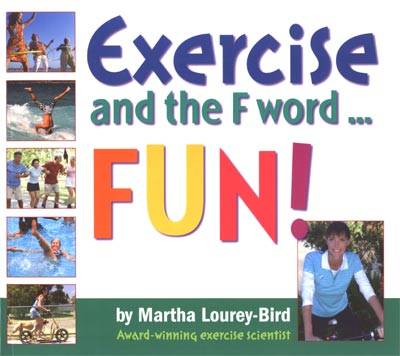
Exercise the Fun Word

Source - http://www.girl.com.au/exercise-the-fun-word.htm - Last accessed 22th Jan 2013.

Martha Lourey-Bird is an Exercise Scientist, Lecturer in School of Public Health and Community Medicine at the University of New South Wales and Scientific Adviser to Weight Watchers. Her depth of knowledge, extensive experience and passion for health and fitness has made Martha Lourey-Bird one of Australia's leading exercise health experts.

Martha has been involved in the fitness industry for almost two decades as a leading instructor trainer, a recipient of the state's Fitness Leader of the Year award, presenter of countless workshops and director of her own personal training company. Today she continues to passionately practice what she preaches, even with two young children in tow.

Classed as one of Australia's leading instructor trainers, Martha's career has taken her all around the world, including a three year contract in the UK as European Training Director of Shape Fitness Education. She has presented exercise advice in over 12 different countries and is a regular expert on radio, television and in the print media.

Martha has provided Weight Watchers expert guidance on many aspects of health, exercise, and fitness for over 10 years; and has been instrumental in developing new and innovative exercise approaches to weight loss. Martha is also fitness editor of Weight Watchers magazine, where she provides motivational advice and effective exercise ideas; which she regularly shared with NBN TV viewers for over 5 years.

"My love of health and fitness spills over into my personal life and I am one of those people who don't sit still for long! I enjoy the balance of a fulfilling career and being mum to five year old Clancy and one year old Opal", says Martha.

"Through my role at Weight Watchers and lecturing at the University of New South Wales, I really do feel like I'm having an impact on the culture of exercise and health in Australia by helping people make positive change in their lives. And that's rewarding!"

"It can sometimes be a challenge to present exercise and health in a way that's relevant to a wide audience and varied fitness levels, however exercise can be fun, and needs to be taught and engaged with at this level if people are going to change their lives for good."

Despite huge government campaigns such as the 'Life be in it' program, research today shows that over 50% of Australians are either overweight or obese, don't exercise regularly and that our inactivity contributes to the deaths of over 8000 Australians every year.

37-year-old Martha Lourey-Bird spent the past two decades working with the unfit and unmotivated and is about to put the fun back into exercise.

Martha says that benefits of regular exercise are so enormous - from reducing the risk of heart attack and certain cancers, managing stress, improving mental agility, boosting energy and improving sleep - that potential health-care savings are in the millions.

Martha Lourey-Bird was one of Sydney's first female personal trainers. Twenty years ago she helped train identities such as Trent Nathan, Lisa Ho and Charlie Brown before flying off to England to work as a fitness trainer in some of its most exclusive clubs including the Chelsea Harbour Club (club of Princess Diana) and Royal Berkshire Club (club of Fergie).

Martha who has taught hundreds of personal trainers and aerobic teachers in the UK and thousands here in Australia says that being at the coal face of exercise, she saw how quickly people got demoralized and how fast barriers popped up... It's too hard, too inconvenient or too painful....

"The hardest thing for people who don't exercise is to take the first step - and then it's a matter of building in a strategy so exercise is fun and easy to maintain" says Martha. "The secret of maintaining that is to have a program that interests you mentally as well as physically".

Exercise the F word ...Fun explores the physical, psychological and health benefits of exercise. It's aimed at people who are time-poor as well as at a broad range of the population from sedentary office workers and young professionals to mums, dads and seniors.

Martha Lourey-Bird says that everyone needs to find the opportunities in their day to exercise, and covers a multitude of suggestions in her book that simply use the environment around you. Although she is busy, working mother of two young children, lecturing at the University of NSW, writing for print media, developing exercise DVDs and a Scientific Advisor to Weight Watchers, Martha dedicates 45 minutes every day to exercise.

"I love exercising outdoors so it's mainly doing exercises in the park with the kids, running with the pram, walking as much as possible, and taking my very fit dog for a decent run."

"The old adage - use it or lose it - is so true", Martha says. "No matter what state of fitness you're in, whether you have arthritis or are a busy parent, whether you're a stressed executive or desk-bound student or an ex-rugby player, 'Exercise and the F word....Fun' will motivate you and keep you motivated!

It's not obesity that's killing us – it's the lack of exercise


Obesity
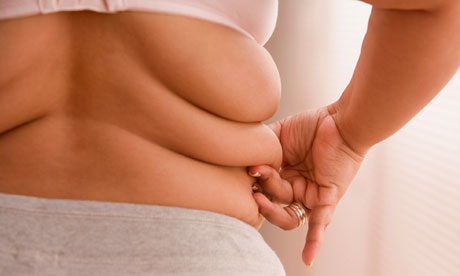
Anti-obesity campaigns should focus on the benefits of exercise. Photograph: Jose Luis Pelaez Inc/Getty Images/Blend Images
Almost a quarter of British women are obese, and nearly as many men, according to the European health interview survey published by the EU's statistical office Eurostat. Meanwhile, Jamie Oliver continues his campaign to improve school food, asking the prime minister to ensure that academies don't undermine it, and again focusing on "rocketing obesity rates in the UK" (Warick 2011).
But we're getting the focus wrong. Obesity isn't what's robbing us of good health and life. Using data from the Cooper Centre Longitudinal Studyexercise scientist Steven Blair and his colleagues have established that you can be fat and fit. It is better to be overweight and active than normal weight and sedentary in terms of risk of mortality, the research has shown (Warick 2011).
Blair calls physical inactivity the biggest public health problem of the 21st century. Yet instead of paying attention to our sedentary lifestyles, we keep on focusing on fatness. As individuals, we just can't resist stepping on the scales and it's a staple of weight-loss programmes. Physical activity is almost always a secondary consideration, and then only because of its power to help us lose weight. This narrow focus is repeated in campaigns and the media, but the obsession with how much people weigh and how much they need to lose just isn't helping us lead longer and healthier lives, or reducing the burden on the health service (Warick 2011).
Campaigns such as the government's Change4Life initiative combine diet advice and alcohol tracking with activity suggestions, but the message needs to be far more straightforward. Forget berating young and old for their eating habits and what the scales are saying, and give them the much more appealing solution that physical activity is the way to a longer, healthier life (Warick 2011).
If you offered people a drug that would confer these benefits with no side-effects, you would be trampled in the rush. A pill that promised the same effect as just 30 minutes of moderate intensity activity each day would make headlines around the world. Yet because it's not a new miracle cure on the market, and it's not a mythical superfood, it's not news at all. But the evidence is there. Physical activity can reduce the risk of heart disease, type 2 diabetes and some cancers and even delay cognitive decline. According to Karim Khan, editor of the British Journal of Sports Medicine, you probably need to be doing 60 minutes a day for optimum health (after which time there are diminishing returns health-wise). If we're going to pick a health issue to be fascinated by, isn't this the one? (Warick 2011).
It isn't about getting everyone running marathons, or setting aside the time and money they don't have to go to the gym every day. For many, these are the unattainable goals that lead to a sense of failure, and send us right back down the cul-de-sac of putting all the emphasis on losing a few pounds because a pleasing result on the scales gives us a moment's relief from our internal nagging, and that of society as a whole (Warick 2011).
Instead, we need to put back the activity that modern life has removed into our daily routines. Making up our half an hour of not being sedentary does take an effort, but at least it can be achieved in manageable 10-minute blocks, can be made part of life without having to find fresh hours in the day – and above all has the merit of being in our control. A positive goal is always going to be far more attractive than nagging people about their eating habits, or pointing out the excess flesh (Warick 2011).
The narrow focus on obesity for government, for campaigners and for individuals needs to change, and if we just can't quite get over our obsession, at least stepping on and off the scales still counts as activity if you do it enough (Warick 2011).


Warwick, S. (2011). It's not obesity that's killing us – it's the lack of exercise. Available: http://www.guardian.co.uk/commentisfree/2011/nov/28/obesity-lack-of-exercise. Last accessed 22 January 2013.

Exercise campaigns 

Source - http://www.smk.net.au/article/buddy-up-exercise-partner-campaign-for-triaction-works-out-nicely . Last accessed 22nd Jan 2013.


Buddy Up exercise partner campaign for Triaction works out nicely
Designed and constructed by Brisbane agency BCM for Triumph International Australia’s sports underwear brand Triaction, the Buddy Up campaign utilises a Facebook app to help women find like-minded workout partners in their locality matched on interest and level of fitness. 
Buddy Up exercise partner campaign for Triaction works out nicely


Source - http://www.lcsd.gov.hk/healthy/en/index.php . Last accessed 24th Jan 2013.


Aim of the "Healthy Exercise for All Campaign"

Launched in April 2000, the "Healthy Exercise for All Campaign" is a territory-wide event jointly organised by the Leisure and Cultural Services Department (LCSD) and the Department of Health (DH). With the slogan of "Daily exercise keeps us fit, people of all ages can do it", the Campaign aims at raising the public's interest in exercising and encouraging them to exercise regularly so that they can understand the benefits of exercising to health.
Daily exercise keeps us fit    People of all ages can do it
Activities
Over the past years, the LCSD and the DH have joined hands with the National Sport Associations, professional bodies and schools in organising a series of large-scale promotional activities including the Outdoor Activities Carnival, the Water Carnival, the Indoor Sports Carnival, the Sport-for-All-Carnival, the Dance Extravaganza, the Rope Skipping Promotion Day, Brisk walking, Stair climbing, the Autumn Hiking Fun Day,the Active Living Charter and My Exercise Diary so as to call upon the public to do more exercises. Moreover, local sports elites and top athletes from the Mainland were invited to take part in the Roving Sports Demonstrations including Table Tennis, Wushu, Badminton, Basketball, DanceSport and Gymnastics. These activities were well received by the public.
Various recreational and sports activities, including those fitness programmes for childrenelderly and people with disabilities, "Hiking Scheme", "Quali-walk Scheme", "Dance for Health" and "Rope Skipping for Fun" etc, are organised by the Department throughout the 18 districts in the territory to facilitate neighbourhood participation. These programmes, with their emphasis on self-practice and regular workouts, are well received by the public and the participation rate is on the rise. Moreover, the Department has appointed more than 30 local sports celebrities as "Healthy Exercise Ambassadors" to assist in the promotion of the benefits of doing exercises and the implementation of outreach programmes, and the result has been very successful.

Publicity
The Department has been committed to promoting the "Healthy Exercise for All Campaign" by employing different publicity channels to disseminate the message of exercising and health. One of the channels is the "Exercise and Health Roving Exhibition" held at primary and secondary schools, elderly homes, youth centres, recreational & sports venues and shopping arcades, which informs the public of the benefits of doing exercise and provides try-out opportunities.
Moreover, the Department has also produced some announcements of public interest, radio programmes, posters, banners, promotional leaflets, pamphletsvideos etc with a view to encouraging members of the public to exercise regularly and lead a healthy life style. To browse or download the information, please visit the LCSD's webpage. 

Fitness campaigns 

I have taken the time to have a look at other fitness campaigns. This will help give me an idea on the strategies people have tried to encourage people to exercise. 


this is a great way for people to come along and do their exercises. It is free to the public to use and is open 24/7. It looks more friendly to the public to come along and try it out. being outside exposes the idea of exercising to more people rather than having it lock away indoors.


this suggests easy easys and fun ways to exercise. The video gives inspiration to go out and live your life to the best by looking after yourself. it encourages you to drink water.


uses normal people from the public who have lost their mother. They each talk of a memory that they miss in hope to get a message out to people. look after your health to live longer so you can be with your loved ones.


starts off stating facts about health issues. Its too much reading in my opinion, could do with a voice over. It show lots of different exercises making them look fun.


This is aimed at women to sell water. I don't think its a very good campaign to sell water but would make a good campaign to encourage exercise. The more the women pedal on the bikes to longer the video plays for. the video shows a stripper, the more they pedal the more cloths the stripper takes off. this encourages the women to keep peddling to find out what happens.


This is demonstrating how the couch potato under performs because they refuse to get out of the chair. the team that are running about are much more successful than the team sitting down.


This video is a boring and does not inspire me. It states less obvious ways to exercise. It states some interesting points but could be delivered in a better way. it shows the benefits to exercising


This campaign uses friendly visuals to present their idea. it uses a friendly voice for narrating. they have the same approach to the department of health campaign encouraging the minimum amount of exercise.


The Government has launched a new advert to encourage families to be active to reduce obesity levels after a survey showed that children are not getting enough exercise.
Nearly three quarters (72%) of children do not take part in an hour of daily activity outside school, parents across England have said.
Parents were questioned for a poll as part of the cross-government Change4Life campaign, which launched in January.
The scheme aims to help families tackle soaring obesity rates by promoting healthy eating and exercise and offering advice.
The How Are The Kids? survey looks at children’s diet and activity levels to give parents a personalised action plan.
The Department of Health said more than 260,000 people responded to the poll and reported that 45% of young people watched TV or played non-active video games before school, while only 22% did something active after their evening meal.
Dawn Primarolo, public health minister, said: ‘Our survey shows that kids just aren’t getting up and about as much as they should.
‘If we’re going to cut obesity levels our children need to be active for at least 60 minutes a day.’
The new advert features the Change4Life family and responds to the need for families to get more exercises into their daily lives. Click the images opposite to view stills from the TV advert.

Source - http://www.nursingtimes.net/whats-new-in-nursing/primary-care/change4life-launch-new-childrens-exercise-campaign/5000801.article .Last accessed 24th Jan 2013.


How much Water to drink per day

Source - http://www.nhs.uk/Livewell/Goodfood/Pages/water-drinks.aspx . Last accessed 23rd Jan 2013.


Your body needs water or other fluids to work properly and to avoid dehydration.
This article explains how much we need to drink, how to spot the signs of dehydration and how to choose healthier non-alcoholic drinks. For advice on alcohol, see our Alcohol section.
Water makes up about two-thirds of the weight of a healthy body.
Most of the chemical reactions that happen in our cells need water in order to take place. We also need water so that our blood can carry nutrients around the body and get rid of waste.

How much should we drink?

To stay healthy, it's important to replace the fluid we lose when we breathe, sweat or urinate.
The amount a person needs to drink to avoid getting deyhdrated will vary depending on a range of factors, including their size, the temperature and how active they are. However, as a guide, the Department of Health recommends that we should drink about 1.2 litres of fluid every day. This works out to be about six 200ml or eight 150ml glasses.

The total amount of fluid we lose each day and need to replace is in fact greater than this – about 2.5 litres – but we get 1 litre of the fluid we need from food and the body recovers 0.3 litres from chemical reactions in our cells. The rest needs to be taken from drinks.
All drinks count, but water, milk and fruit juices are the healthiest. It is best to avoid alcoholic drinks.

Try to avoid sugary soft and fizzy drinks that can be high in added sugars. These can be high in calories and bad for teeth.

Signs of dehydration

When our bodies don’t have enough water, we are said to be dehydrated.
One of the first signs of dehydration is feeling thirsty.
If you think you may not be getting enough fluids, check if you have any of these other common signs of dehydration:
  • dark-coloured urine and not passing much urine when you go to the toilet
  • headaches
  • lack of energy 
  • feeling lightheaded 
See Dehydration for more information.

Types of drinks

Try to choose healthier drinks as part of a healthy, balanced diet.
Many soft drinks are high in sugar. Food and drinks that are high in sugar are often high in calories, and eating too many calories can make you more likely to gain weight.
Some energy drinks are high in both sugar and caffeine.
Checking the nutrition labels on soft drinks, such as fruit juices and fizzy drinks, can help you make healthier choices. For more information, see Food labels.

Water

Water is the healthiest choice for quenching your thirst at any time. It has no calories and contains no sugars that can damage teeth.
If you don't like the taste of plain water, try sparkling water or add a slice of lemon or lime. You could also add some squash or fruit juice for flavour.

Milk

Milk is a good source of calcium, a mineral that helps build and maintain healthy bones.
It also contains vitamins and other minerals, and does not cause tooth decay.
For a healthy choice, choose semi-skimmed, 1% fat or skimmed milk. Limit your intake of flavoured milks, milkshakes, condensed milk and milk-based energy or malt drinks because these contain added sugar, which is bad for teeth.
Milk is especially important for young children. They should drink whole milk until they are at least two years old, because they may not get as many calories as they need from lower-fat milks.

Fruit juices and smoothies

Fruit juice and fruit smoothies contain a variety of vitamins that are good for our health.
A glass (150ml) of fruit juice counts as one of your recommended five daily portions of fruit and vegetables. But juice can only ever count as one portion a day, no matter how much you drink. This is because it does not contain the fibre found in whole fruits and vegetables.
Fruit juice also contains sugar that can damage teeth. It’s best to drink it with a meal because this can help protect teeth.
The sugars found naturally in whole fruit are less likely to cause tooth decay because the sugar is contained within the structure of the fruit. When fruit is juiced or blended, the sugars are released. Once released, these sugars can damage teeth, especially if juice is drunk frequently.
When you buy fruit juice, check the labels carefully and choose 100% fruit juice with no added sugar. These drinks count as one of your 5 a day. Watch out for "juice drinks", which can contain as little as 5% fruit juice and a lot of added sugar, and do not count as one of your 5 a day.
Learn more about 5 a day.

Fizzy drinks and squashes

Fizzy drinks, squashes and juice drinks contain lots of sugar and very few nutrients, so keep them to a minimum.
Their high sugar content means they are high in calories, and foods that are high in calories can contribute towards becoming overweight. Cutting down on these drinks is a good way to reduce the number of calories you consume, while not missing out on any nutrients.
Likewise, getting children to drink fewer sugary drinks is a good way to reduce the amount of sugar they consume. Children who drink a lot of sugary drinks are more likely to become overweight.
The added sugar in these drinks also means they can damage teeth. If you do have sugary or fizzy drinks, drinking them with meals can help reduce the damage to teeth.
The best drinks to give children are water, milk and milkshakes without added sugar.
If you or your children like fizzy drinks, try diluting fruit juice with sparkling water instead. Remember to dilute squashes well to reduce the sugar content in the drink.
Diet versions of fizzy drinks also contain very few nutrients, so milk or water are much healthier choices, especially for children.

Tea and coffee

Tea and coffee contain caffeine, which is a stimulant. This means caffeine can temporarily make us feel more alert or less drowsy. Caffeine affects some people more than others, and the effect can depend on how much caffeine you normally consume.
It’s fine to drink tea and coffee as part of a balanced diet. But it's important that tea, coffee or other drinks containing caffeine are not your only source of fluid.
Pregnant women should limit their intake of tea or coffee (see below). Neither tea nor coffee are suitable drinks for toddlers and young children.
Caffeinated drinks can also make the body produce more urine. Some people are more susceptible to this than others, but it also depends on how much caffeine you have and how often you have it.

Energy drinks

Energy drinks often contain high levels of caffeine. They are often high in sugar. They may also contain other stimulants and sometimes vitamins and minerals or herbal substances.
The caffeine levels in these drinks vary, but there is often around 80mg of caffeine in a small 250ml can. This is the same as two cans of cola or a small mug of coffee.
People who are sensitive to caffeine should consume high-caffeine food and drinks only in moderation.
Energy drinks are not suitable for babies or children.
Pregnant women should limit their intake of energy drinks as they are often high in caffeine (see below). Check the labels of energy drinks as they often say that the drink is not suitable for children or pregnant women.

Sports drinks

Sports drinks can be useful when you're doing endurance sports and need an energy boost.
However, they are no different to any other sugary soft drinks, which means they are high in calories and contribute to tooth decay.
Unless you're taking part in endurance sports, water is the healthier choice and the best way to replace water that you have lost.

Caffeine during pregnancy

Pregnant women should have no more than 200mg of caffeine a day. One mug of instant coffee contains around 100mg of caffeine.
This is because high levels of caffeine can result in babies having a low birth weight, which can increase the risk of health problems in later life. High levels of caffeine might also cause miscarriage.
For more detail on how much caffeine is safe during pregnancy, see Foods to avoid when pregnant.

DH Campaigns

Source - http://www.dh.gov.uk/health/category/campaigns/ . Last accessed 24th Jan 2013.


The Department of Health runs campaigns to support and promote its work. You can find out about the latest campaigns here.

‘Be Food Smart’ campaign launches

be food smart
A new campaign from Change4Life exposing the ‘hidden nasties’ in everyday foods and helping people to be ‘food smart’ launches today. Change4Life have joined forces with a range of food … Read more →– ‘Be Food Smart’ campaign launches

‘Catch it. Bin it. Kill it.’ campaign to help reduce flu infections

woman sneezing into tissue
A campaign is launching today to encourage the public to adopt good respiratory and hand hygiene practices – to ‘Catch it. Bin it. Kill it.’ – to help stem flu … Read more →– ‘Catch it. Bin it. Kill it.’ campaign to help reduce flu infections

Smoking health harm campaign launched

Smoking harm ad 540x262
The department has launched a new campaign to encourage smokers to quit in the New Year. The campaign aims to increase awareness by highlighting the immediate damage being done by every … Read more →– Smoking health harm campaign launched

Distributing quit kits in 2013

Following the success of this year’s Quit Kit campaign, the Department would like to invite pharmacies across England to distribute Quit Kits to smokers between January and March 2013. The … Read more →– Distributing quit kits in 2013

Change4Life launches smartphone drinks tracker app

change4life drinks checker logo
A new smartphone app and enhanced online drinks checker are now available to help people see the impact alcohol can have on their health, waist and wallet. The new tools … Read more →– Change4Life launches smartphone drinks tracker app

Stoptober starts today!

Boat carrying huge red stop button
A new stop smoking campaign – Stoptober – officially kicks off today with support from celebrities nationwide. The campaign encourages smokers across England to take up the challenge to stop … Read more →– Stoptober starts today!

Stoptober campaign kicks off in one week

Stoptober campaign button on beach
Just one week to go until the nation’s smokers get a chance to start their 28-day joint quit attempt. The innovative campaign, Stoptober, which is backed by Cancer Research UK … Read more →